Speaker
Colin O'Halloran
Honourary Visiting Professor at the University of York, UK;
CTO of D-RiSQ Ltd, UK
Bio
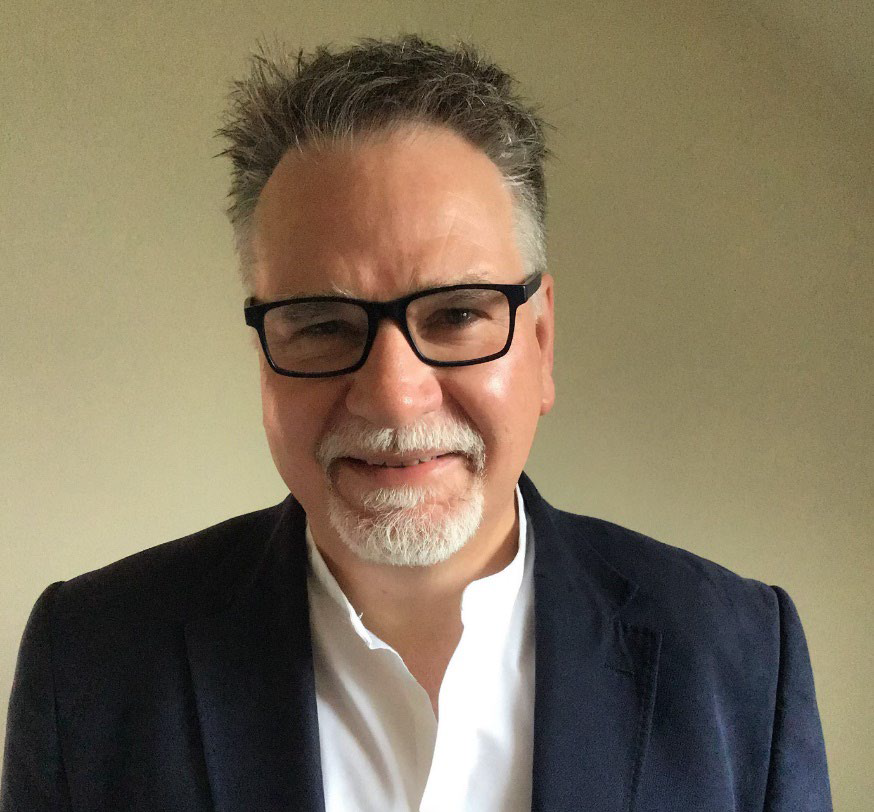
Colin has over 40 years of experience in high integrity systems, operating as a scientist, consultant and business group manager with RSRE, DERA and QinetiQ. He is an honourary Visiting Professor at the University of York and was previously a full professor of computer science at the University of Oxford. Colin is an internationally recognised expert in the validation and verification of software-based systems using formal methods. At RSRE he developed parts of the MALPAS analysis tool that was used in the assessment of the secondary protection system of the Sizewell B nuclear power station. Within DERA he was the technical authority for the development of the formal semantics of SPARK 83 carried out by PVL Ltd. Within QinetiQ he led the team that developed tools to mathematically verify the flight and engine control software for the Typhoon aircraft as well as the Auto-throttle and Auto-pilot. In 1996 he served on the European Space Agency’s Board of Inquiry into the very first launch of Ariane 5 and compiled those parts of the report concerning the software’s contribution to the failure. He carried out a survey of certification approaches on behalf of the Director of Helicopter projects following the Chinook crash on the Mull of Kintyre. Since 2012 Colin has been CTO of D-RiSQ Ltd that have developed automated formal methods based mathematical tools covering requirements capture and design verification, backed up by source code and object code verification.